
A bright dress can feel easy on a weekend and risky on a workday. Still, you don’t need to hide in gray to look professional.
A colorful dress for the office works when the shape is clean, the layers are smart, and the finishing pieces stay calm. Once those parts line up, color stops feeling risky and starts feeling like your normal style.
Choose a work-ready dress before you style it
The easiest office outfit starts with the right dress. If the cut already looks polished, the color has less work to do.
For most workplaces, that means a dress with some structure. A sheath, shirt dress, knit midi, or wrap dress usually reads as professional attire faster than a slip dress or anything too body-hugging. A hem around the knee or mid-calf is usually the safest bet, especially if you move around a lot during the day.
Fabric matters as much as color. Matte cotton, ponte, crepe, and smooth knits tend to look smarter than shiny satin or clingy jersey. When the material feels substantial, the whole outfit looks intentional. That’s true even when the shade is bold.
Color choice also changes the mood. Jewel tones like emerald, cobalt, burgundy, and deep magenta often feel office-friendly because they have weight. Brighter shades such as orange, hot pink, and sunny yellow can work too, but they usually need a cleaner silhouette. If your office is conservative, start with one strong color in a simple shape. If your workplace is creative, you have more room to play.
Print can work, but keep it easy on the eye. A striped or floral dress in a controlled palette often looks sharper than a busy mix of loud patterns. When in doubt, pick one statement: either the color or the print. Trying to push both at once can make the clothing feel busy.
A good rule helps here. If the dress would still look polished in black, it will probably work in color too.
Add layers that give bright color structure
Layering is where a colorful office dress starts to feel settled. A blazer, tailored cardigan, light trench, or fine knit can give bright color a work frame. That frame matters because it tells the eye, “This is office wear,” before the color speaks.
A blazer is the easiest fix. Beige, navy, black, cream, and soft gray all calm a bold dress without draining it. If you want a little more style, try a blazer in the same color family as the dress. A berry blazer over a pink dress, or a navy layer over cobalt, looks rich and sharp. The finish is still professional because the lines are clean.
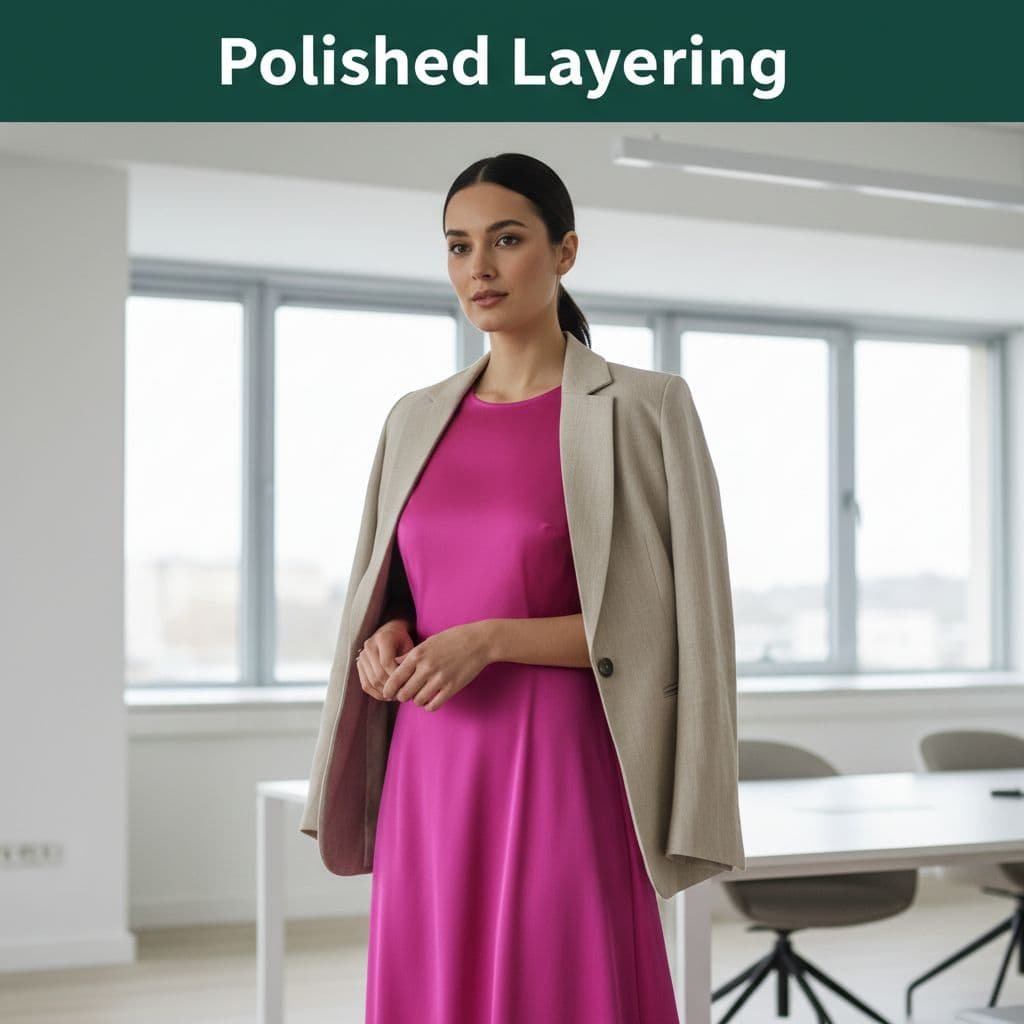
Fit matters more than the layer type. An oversized blazer can look cool on the weekend, but it may swallow a bright dress at work. A cropped jacket can help if the dress is full through the skirt. Meanwhile, a longer blazer works well with straight dresses because it keeps the line neat.
When the dress carries the color, the layer should carry the structure.
Also, pay attention to the neckline and sleeve mix. If your dress has puff sleeves, choose a simpler outer layer. If the dress is sleeveless, a blazer or a light cardigan can make it feel more complete in many offices. In cooler months, tights in black, chocolate, or navy can ground the whole outfit without pulling focus.
Layering is also helpful if you’re still warming up to bright clothes. You can keep the color visible, but control how much of it shows at once. That small shift often makes the whole look feel easier to wear.
Ground the look with shoes, bags, and jewelry
Accessories decide whether a bright dress looks office-ready or party-ready. They don’t need to be dull, but they should be steady.
Shoes come first because they anchor the outfit. Pointed flats, loafers, low pumps, slingbacks, and block heels usually work well with colorful dresses. Black is always safe, but it isn’t your only option. Nude, tan, cream, navy, burgundy, and even metallic leather can all work, depending on the dress color and your office.
Bags should look a little structured. A slouchy tote can be practical, but a bag with shape gives bold color a cleaner finish. The same goes for belts. A simple leather belt can define the waist and make a loose dress look sharper in seconds.
Jewelry is where restraint helps. If the dress is bright, keep the metal simple. Small hoops, a watch, a slim cuff, or one necklace is often enough. Big statement jewelry can compete with the dress, especially if the shade is already strong. You want the pieces to support the outfit, not argue with it.
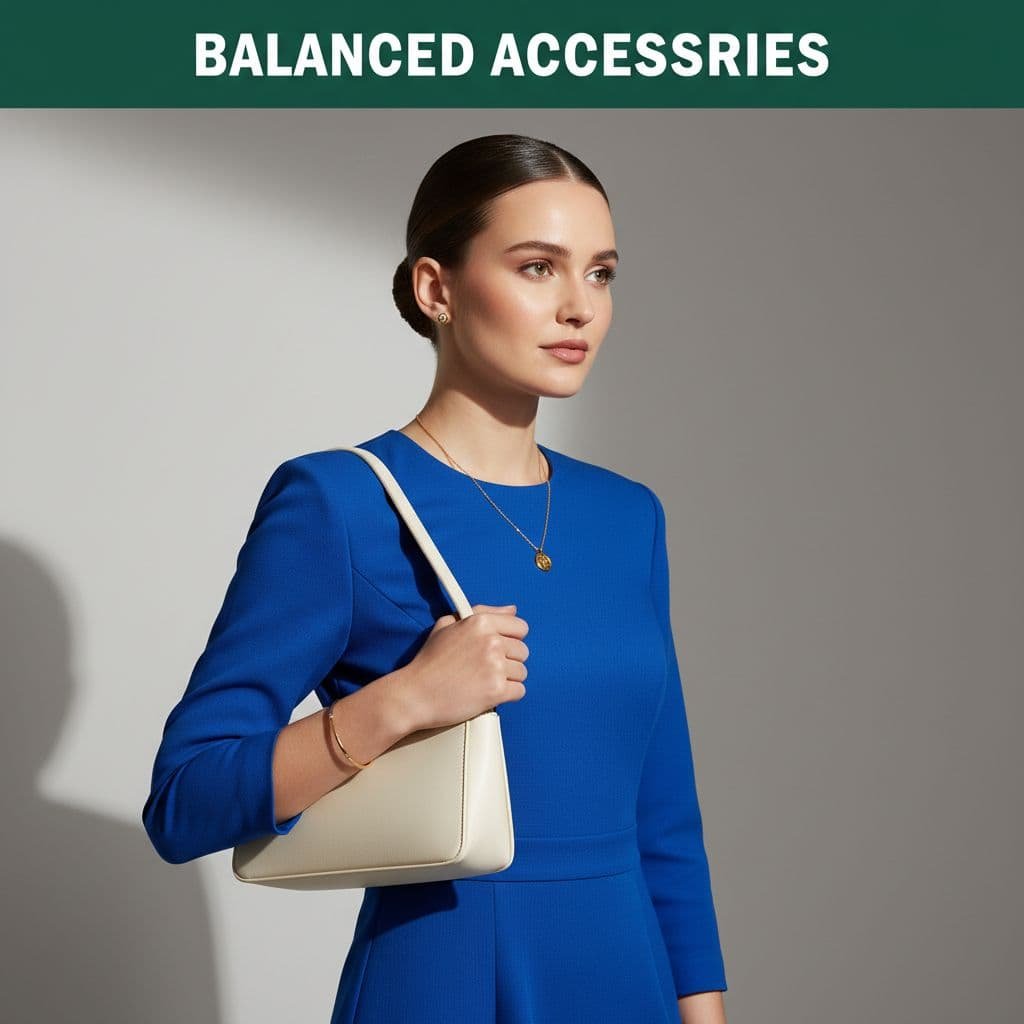
Texture can do some quiet work here, too. A smooth leather shoe, a matte bag, and soft gold jewelry help a colorful look feel adult. By contrast, too many shiny surfaces can tip the outfit into evening wear.
If you love color, you don’t have to keep every accessory neutral. One colored accent, such as a burgundy shoe with a pink dress, can look great. Still, limit the extra color to one area. That’s what keeps the overall styling polished.
Match the shade to the day’s agenda
Not every workday asks for the same mood. The dress you wear for a quiet desk day may not be the best pick for a client pitch. Color can stay in the picture, but the tone should match the calendar.
This quick guide makes the choice easier.
| Workday | Dress color idea | Best add-ons |
|---|---|---|
| Big meeting or presentation | Emerald, cobalt, deep raspberry | Neutral blazer, simple shoes |
| Regular office day | Coral, teal, bright pink | Cardigan or clean flats |
| Client-facing role | Plum, forest green, rich blue | Structured bag, low jewelry |
| Casual Friday | Orange, marigold, bold print | Soft knit layer, loafers |
The pattern is simple. The more formal the day, the more helpful it is to choose a richer shade and quieter styling. On relaxed days, you can let the dress do more.
This is also where workplace culture matters. A fashion office may welcome saturated color without a second thought. A law firm or bank may expect more restraint, even if the dress code isn’t written down. In that case, color still works, but the shape, fabric, and add-ons need to look extra crisp.
Season plays a part, too. Spring and summer invite lighter, clearer shades. Fall and winter often make deep tones feel easier and more natural. That doesn’t mean bright clothes only belong in warm weather. It means the styling around them should match the season. A hot pink dress with bare legs can feel casual in October, while the same dress with a camel blazer and dark shoes feels office-ready.
When the day is packed with unknowns, pick one solid color and skip complicated styling. You don’t need a clever outfit. You need one that works from your first meeting to your last email.
Wear the color like it belongs there
The last step is the one people notice most. A bold dress looks better when you wear it as if it belongs in your closet, because it does.
If color feels new, start with a familiar shape. Choose a dress cut you already trust, then try it in emerald, cherry, cobalt, or bright violet. That way, only one part feels new. You’re not testing color and fit and shoes all at once. This is a simple path to dressing with confidence.
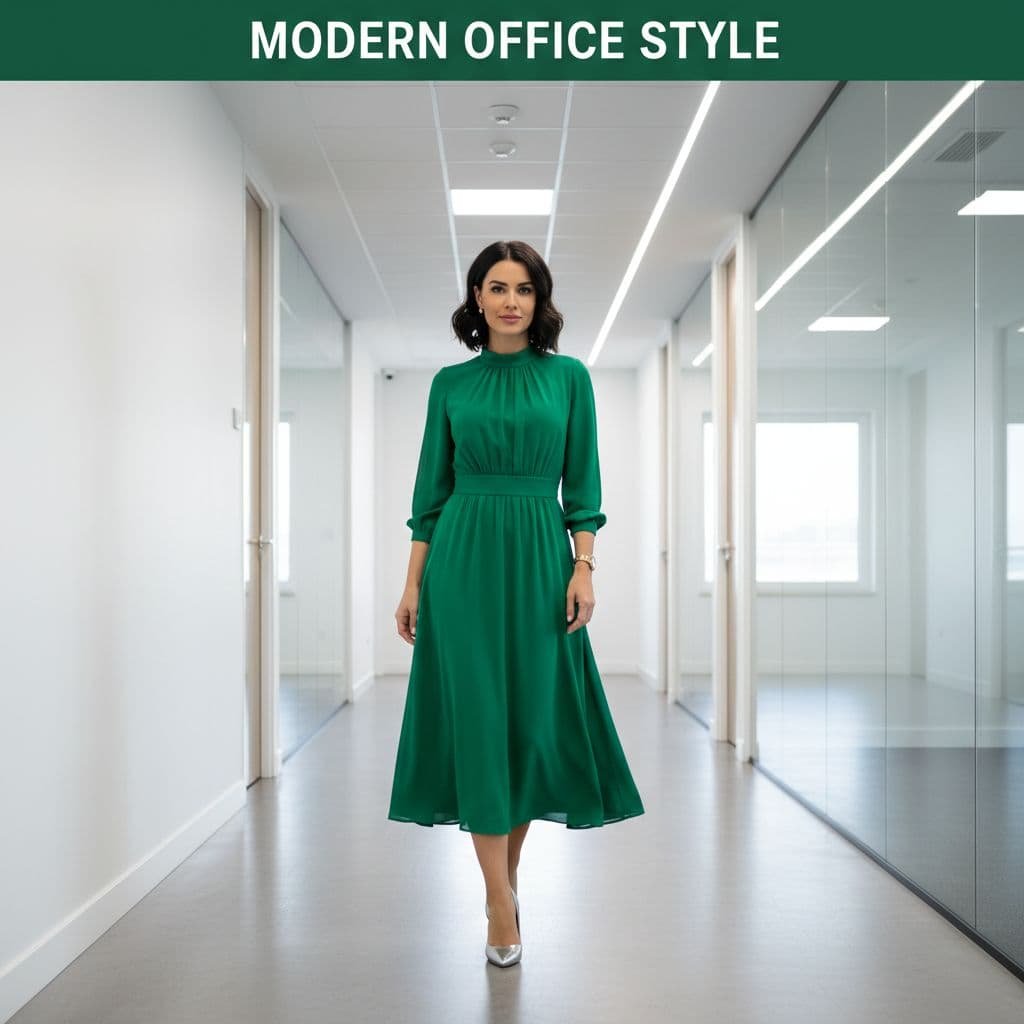
Comfort helps more than people admit. If you’re tugging at the hem, adjusting the straps, or wincing in your shoes, the outfit won’t feel polished, no matter how good it looks. Office style should support your day, not fight it.
It also helps to stop treating color like a big event. You don’t need to explain your dress. You don’t need to joke about “being brave today.” The calmer you are about colorful clothing, the more natural it looks on you.
That shift matters for reluctant dressers, too. Color can wake up a tired work wardrobe. It can make everyday attire feel more personal, more current, and less forgettable. The goal isn’t to dress loud. The goal is to look like yourself, with a little more life in the outfit.
Conclusion
A polished work look doesn’t depend on neutral shades. It depends on fit, structure, and balance. When those pieces are right, a colorful dress looks smart, modern, and fully office-appropriate.
Start with one strong dress, add a layer that sharpens it, and keep the accessories steady. Color doesn’t need an apology at work. It only needs a clear place in the outfit.
This post may contain affiliate links. If you make a purchase through these links, I may earn a small commission at no extra cost to you.