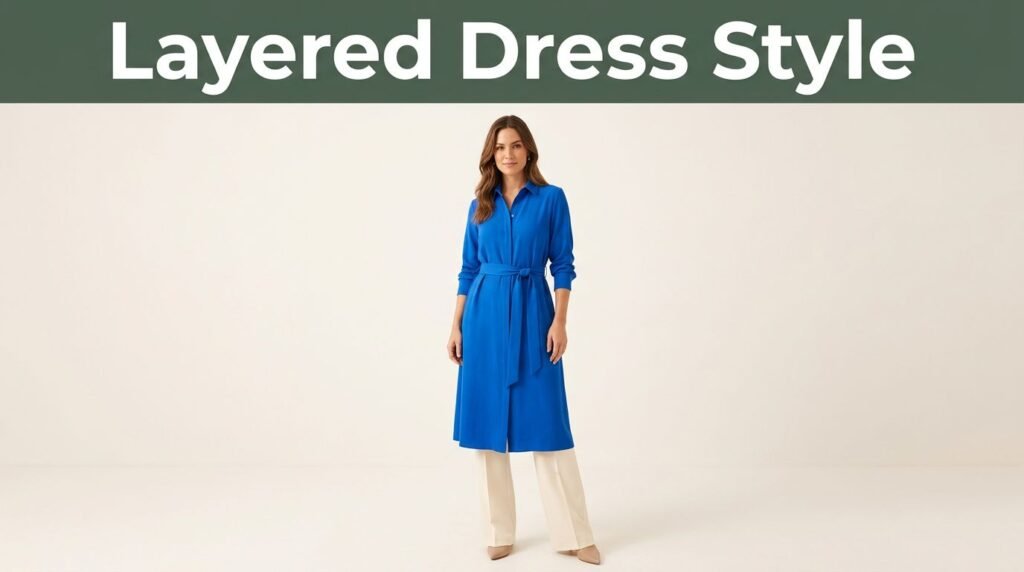
A bright dress can work beyond bare-leg days, especially during a seasonal transition. When you layer a dress over pants, you turn one statement piece into an outfit with shape, warmth, and more personality.
The look can feel intimidating because extra fabric quickly looks bulky. A clear waist, considered pant shape, and deliberate shoes keep it current instead of costume-like. The outfit ideas below start with a simple pairing, then let color do the talking.
This post may contain affiliate links. If you make a purchase through these links, I may earn a small commission at no extra cost to you.
Key Takeaways
- Start with high-waisted pants and a dress that has a visible waist, defined seam, wrap shape, or narrow belt to prevent bulk.
- Balance proportions by pairing looser pants with a fitted or lightly fluid dress, and let both hems show clearly.
- Use neutral pants such as cream, navy, charcoal, brown, or denim to ground a bright dress without competing.
- Choose footwear that matches the mood and practical needs of the outfit, from sneakers and loafers to boots, sandals, or pointed flats.
- Adjust dress length, pant volume, and shoe color to create a clear vertical line that suits your height and personal style.
Why Dress-Over-Pants Outfits Feel Fresh Again
A dress over pants isn’t new. Versions appeared in 1970s fashion, then returned as an early 2000s fashion trend with low-rise denim and long tunics. Those vintage pieces offer references to borrow from, not outfits to copy literally.
Today’s street style interpretation has more structure. High-waisted trousers, relaxed straight-leg jeans, sharp footwear, and purposeful color choices give the layered silhouette a cleaner finish. You don’t need to recreate a pop-star outfit from 2004.
Instead, treat the dress as the top layer. The pants become part of the composition, not a backup plan for cold weather. This shift makes the outfit feel polished and opens up more outfit ideas.
Put polish before nostalgia
Choose pieces that look good on their own before combining them. A crisp poplin dress, a satin slip dress, or a short knit dress gives you an easy starting point. Pair it with pants or denim that sit securely at your natural waist.
Avoid piling on competing details. If the dress has ruffles, print, or a strong color, keep the pants simple. If the pants are pleated or wide, look for a dress with a leaner shape.
The layered outfit looks intentional when one piece creates drama and the other provides a calm, clean foundation.
How to Layer Dress Over Pants Without Bulk
The most balanced combinations show where your body begins and where each layer ends. Before leaving home, check it from the front, side, and back. These checks catch bunching and help refine outfit ideas before adding volume.
Start with a visible waist
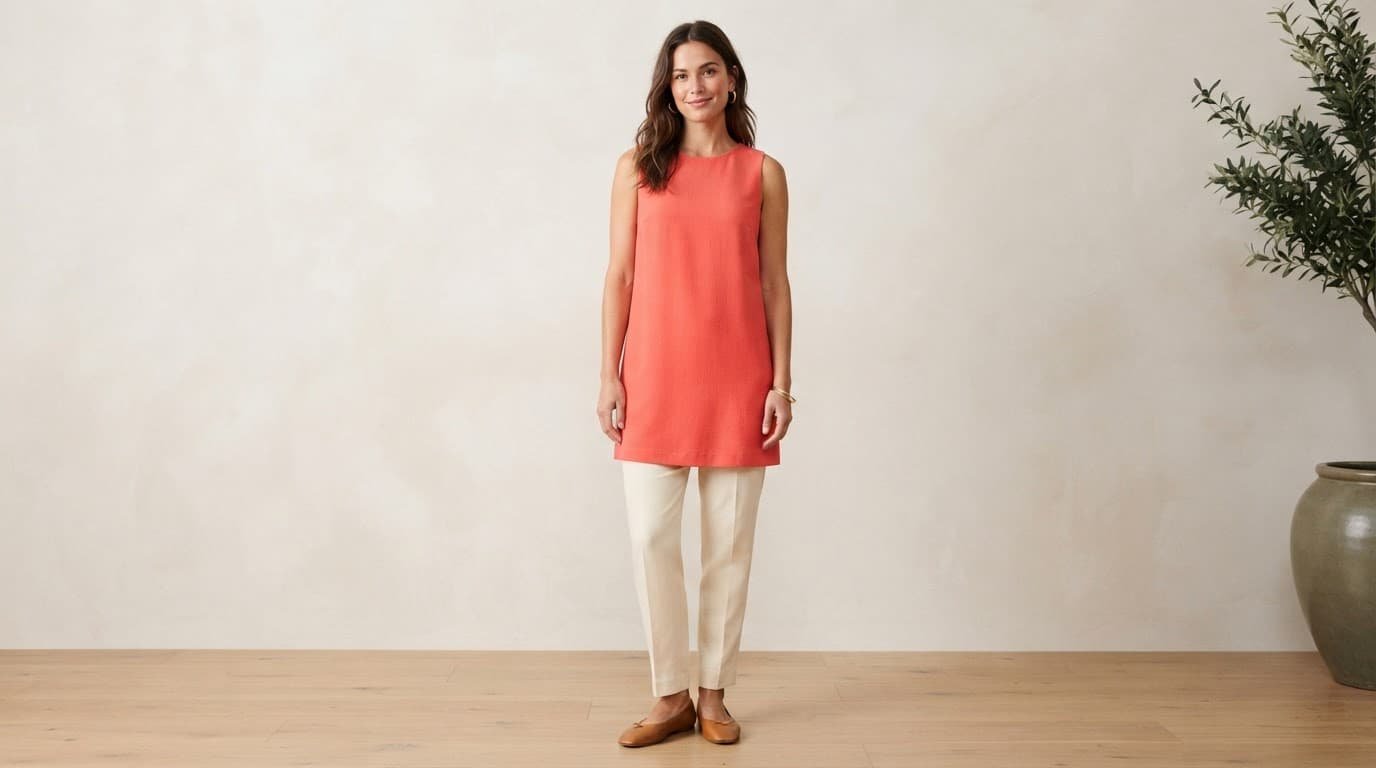
High-waisted pants create a natural dividing line beneath the dress. A fitted bodice, defined seam, wrap shape, or narrow belt helps the eye find your waist. Pairing one of these details with a high waistband creates a reliable layering hack.
Skip bulky pockets under clingy fabric. A body-skimming top layer over smooth pants feels far better than a tight dress over thick cargo pants. If you love a loose shift dress, choose slim straight-leg trousers to bring back some definition.
Letting the layers move independently is a useful styling technique. Smooth the dress after sitting, check the layers from the side, and walk a few steps. These styling tips help prevent catches on belt loops and pocket edges.
Give both hems room to show
A mini dress makes the pants easy to see, which keeps the proportions light. A midi dress can work beautifully too, especially with a front opening, side slits, or fluid fabric that moves as you walk.
Watch out for crowded hem lengths. A dress that ends at the widest part of your calf can make cropped pants look abrupt. Either choose full-length pants or create more space with a shorter dress hem.
With a long dress, let the pants have a narrow or straight profile. The two vertical lines will lengthen the look.
Pair Each Dress Shape With the Right Pants
Straight-leg trousers are the most forgiving place to begin. Their even width supports slip dresses, mini dresses, and shirt dresses without adding too much volume.
Switch to baggy jeans for a more relaxed casual look. Keep the dress fitted or lightly fluid to balance the looser denim.
Try Shorter Dresses With Denim
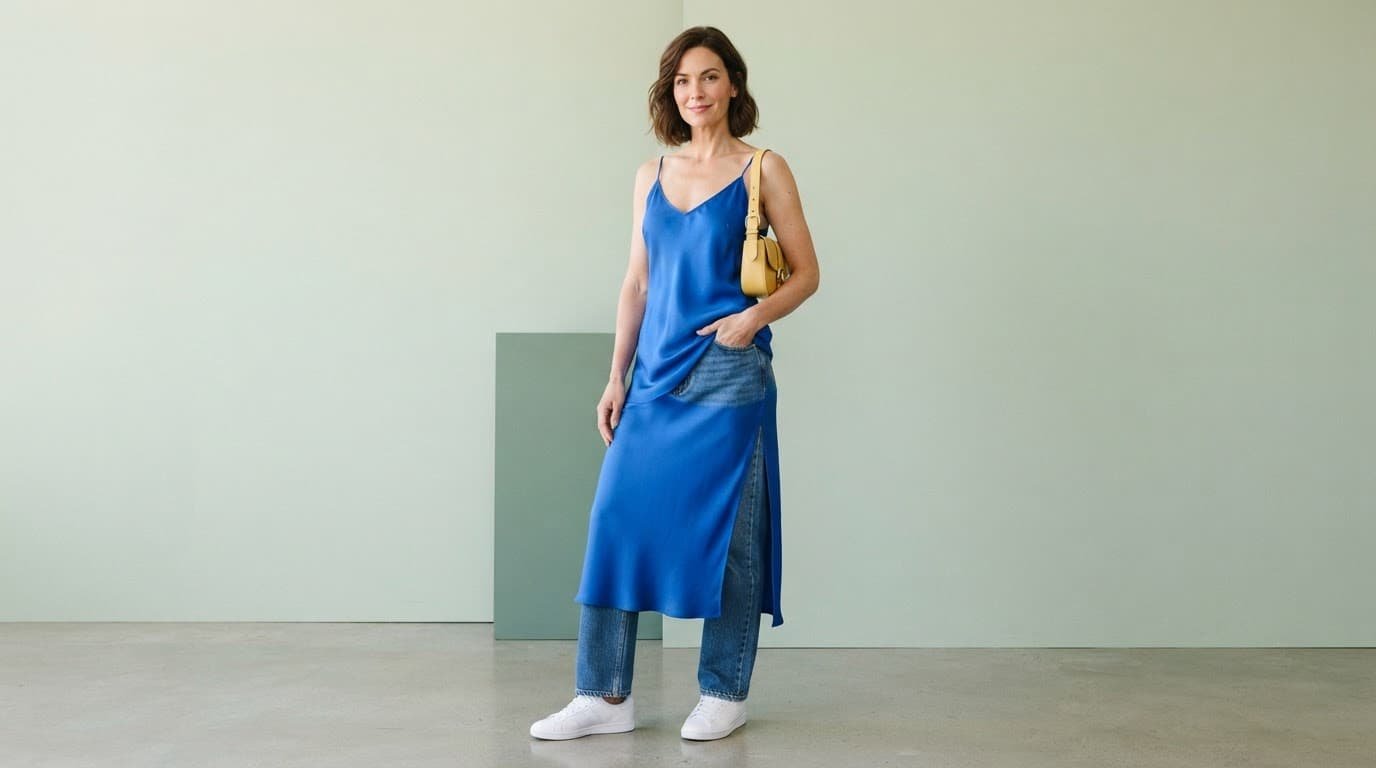
A bias-cut style over medium-wash jeans feels relaxed but still put together. Choose a side slit, then add low-profile sneakers, loafers, or heeled boots. Denim gives delicate fabric some everyday ease.
A mini dress also pairs well with baggy jeans, although fit matters. Keep the dress fitted through the shoulders or torso when the jeans are loose. A boxy mini over very wide denim can hide every line of your frame.
A shorter, fitted dress can also balance wide-leg pants. Keep enough definition through the upper body to support the extra volume.
Use Shirt Dresses and Midis With Pants
A button-front shirt dress looks especially good over tailored pants. Open the lower buttons to create a split over the legs, then roll the sleeves or add a slim belt if the shape needs more direction.
For a soft summer dress, try lightweight linen pants or cropped cotton pants. A cotton dress is another breathable option. Matching fabrics can look refined, while a crochet or lace dress over denim creates a stronger texture contrast.
For a denim-on-denim variation, wear a denim shirt dress over jeans. A bright shoe or bag keeps the combination from looking flat.
A sheer dress is another easy layer because it adds color or print without much bulk. Wear a simple slip, bodysuit, or fitted tank underneath, then let the pants provide coverage.
These combinations are practical outfit ideas, not a rigid formula, so adjust the layers for your day.
Make Bright Colors Feel Balanced
Color often makes this outfit memorable. Bright clothes don’t need a loud print or matching accessories to feel cheerful. One vivid dress with neutral pants is enough for a serious first attempt.
Choose one color anchor
Start with a dress in coral, cobalt, marigold, fuchsia, or grass green. Then ground it with cream, chocolate brown, charcoal, navy, or medium-blue denim. These quieter shades make a bright layer look clear, not overwhelming.
Use the color rules below to turn your choices into practical outfit ideas. Match the dress’s intensity to a neutral that gives the look enough contrast.
| Bright dress color | Pant color that steadies it | Finishing touch |
|---|---|---|
| Cobalt blue | Cream or ecru | White sneakers or silver flats |
| Coral or orange | Camel or dark denim | Tan leather sandals |
| Fuchsia | Indigo jeans or navy trousers | Burgundy shoes |
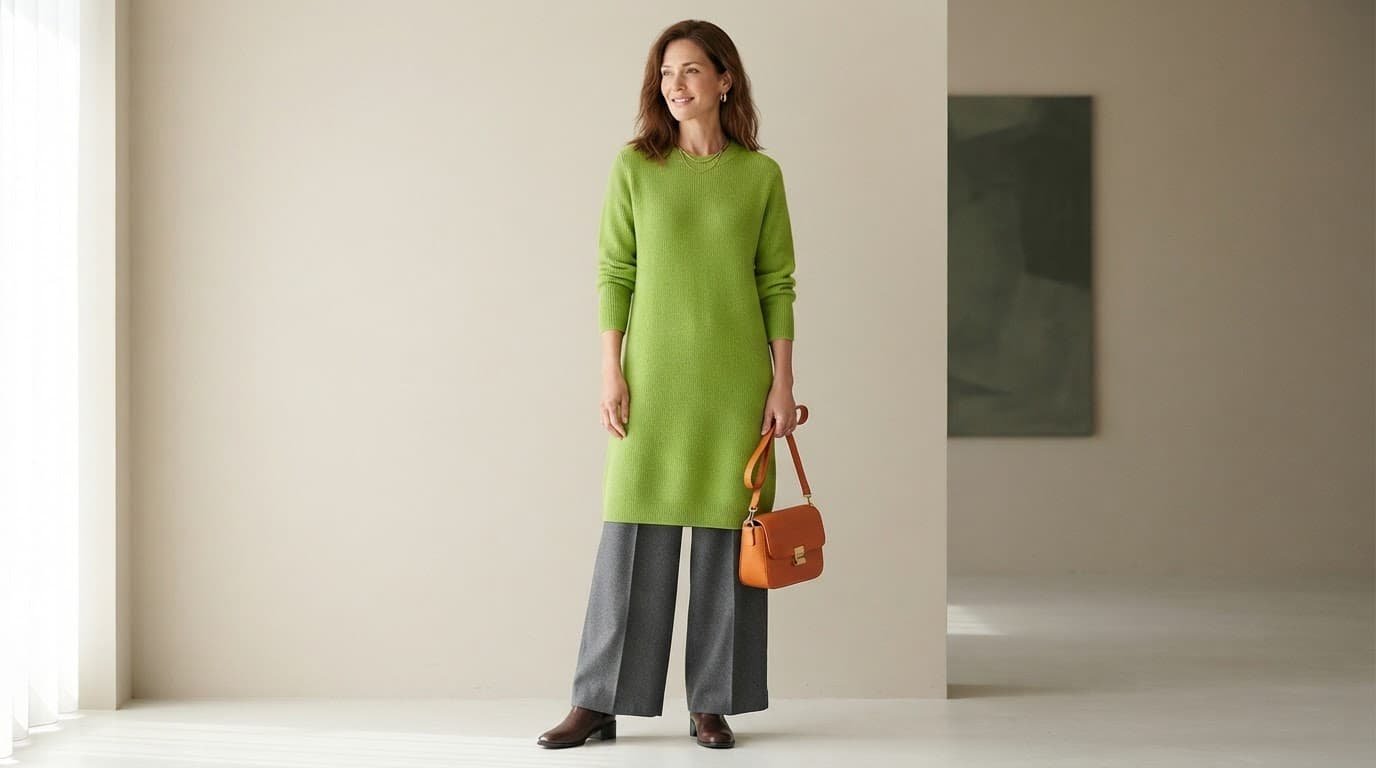
| Lime green | Charcoal or black | Black ankle boots |
A monochromatic look can make the layers feel more intentional. Matching the dress family to the pants helps them read as one continuous color column.
Denim-on-denim is an optional alternative to the bright-dress formula. Try a denim dress or denim layer over jeans, then balance it with quiet accessories.
Use styling tips that repeat one small accent, such as echoing a print color in your earrings or bag. Keep the accessory scale controlled when the dress already has a bold pattern.
Dressing with confidence often begins with wearing a familiar neutral near your face or feet. You can experiment with the brighter layer without feeling swallowed by color.
Adjust the Silhouette for Your Height
The same outfit formula can look different depending on where the hems land. Rather than following strict body-type rules, adjust your body proportions through hem placement and volume until you see a clear line through the outfit.
If you are petite, shorten the visual distance
Petite wearers often feel most comfortable in a dress that ends above the knee or has a high side slit. High-waisted, full-length wide-leg pants create a longer uninterrupted leg line, especially when the shoes match the pants.
Choose a shorter jacket or skip one altogether. A cropped cardigan can work, but a long, loose coat over a long dress and wide-leg pants may add too many horizontal breaks.
Pointed-toe flats, low-vamp loafers, and shoes close to your pant color help the outfit read as one column. You don’t need heels, although a small heel can add lift if you enjoy wearing one.
If you are tall, use length as a feature
Tall frames can carry a midi dress over full-length wide-leg pants with ease. Still, balance matters. A long, straight dress with very wide pants may look heavy unless the dress has slits or a defined waist.
Try a colorful sweater dress over fluid trousers for a bold shape. Let the pants extend past the dress hem, and pick a shoe with enough presence to ground the extra length.
When you layer a dress over pants, a mirror photo helps more than a front-facing glance. Step back far enough to see the whole silhouette, including the shoes.
Choose Footwear and Plan for Real Life
Shoes decide whether the outfit feels casual, sharp, or ready for an evening out. For a practical dress over pants outfit, they should support everyday movement and keep the layered hem from looking accidental.
Let the shoes match the mood
White leather sneakers create a relaxed casual look with a satin or printed dress. Loafers add structure to a shirt dress and tailored pants. Pointed flats or slingbacks sharpen a short dress over jeans without making the outfit feel formal.
Ankle boots work well with full-length pants, especially when the hem falls cleanly over the boot. Avoid a bulky boot with a short, clingy dress unless you want a deliberately chunky look.
Sandals work best with pants have a cropped or airy cut. A thin-strap sandal paired with a bright slip dress and linen pants is an easy warm-weather combination.
Keep winter layers practical
A sweater dress over baggy jeans can work in cold weather when the knit has shape. Look for a ribbed or belted style, then keep the jeans relaxed rather than oversized. Add ankle boots and a coat that ends near the dress hem or below it.
Comfort matters on ordinary days. Test these outfit ideas while sitting, walking stairs, and using the restroom before wearing them out. An elastic waist, side-zip pants, or a button-front dress makes bathroom breaks easier than multiple tight layers.
If the dress catches against the pants, a smooth slip or lightweight bike shorts can reduce friction. These small details make expressive clothing easier to wear for hours.
Frequently Asked Questions
Can you wear any dress over pants?
Many dress shapes work, including mini dresses, shirt dresses, slip dresses, sweater dresses, and midis with slits. The key is to balance the dress with the pant shape so the layers do not create volume.
What pants look best under a dress?
Straight-leg trousers are an easy starting point because they support many dress silhouettes without looking bulky. Slim jeans, tailored pants, linen trousers, and full-length wide-leg pants can also work when the dress length and volume are carefully balanced.
How do you layer a dress over pants without looking bulky?
Choose smooth pants, define the waist, and avoid combining oversized pieces on both the top and bottom. Check the outfit from the front, side, and back, then smooth the dress and make sure the layers move independently.
What shoes should you wear with a dress over pants?
White sneakers create a relaxed look, while loafers, pointed flats, slingbacks, and ankle boots add more structure. Choose sandals for cropped or airy pants, and match the shoe color to the pants when you want a longer, uninterrupted leg line.
Wear the Outfit Your Way
A bright dress over pants works when each layer has a clear job. Let one add color or movement, and let the other provide structure.
Begin with straight-leg pants, a dress with a visible waist, and shoes that feel natural for your day. Once that combination feels easy, try bolder proportions or color pairings.
The best result feels comfortable, looks at home in street style, and leaves room for your personal style.