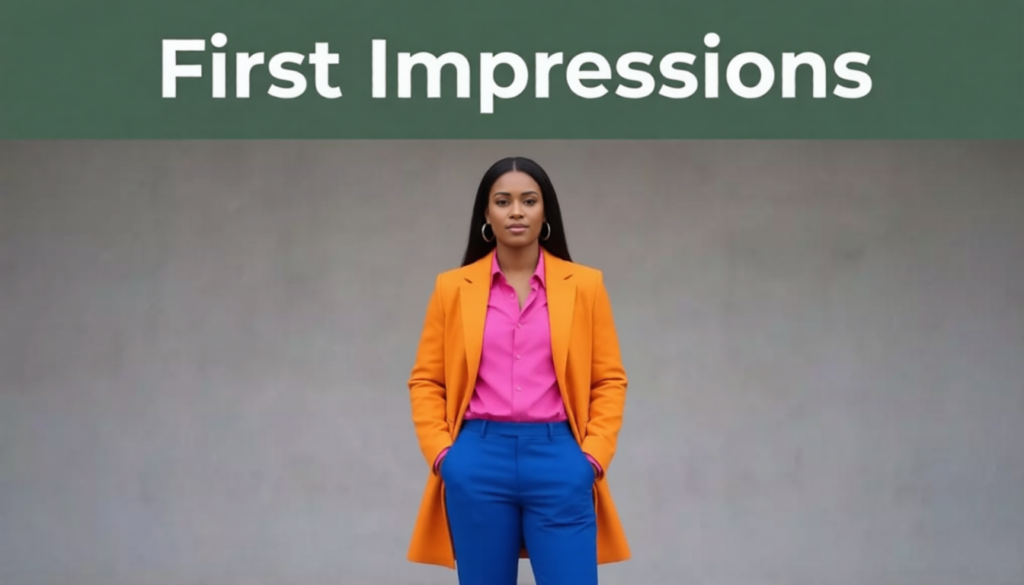
People often form opinions about others within seconds of meeting them. A bright orange coat, cobalt-blue pants, or a vivid pink blouse can grab attention before a word is spoken. However, colorful clothing reveals less about personality than many assume.
If you enjoy wearing color, those quick looks from others can feel flattering or uncomfortable. If you prefer neutrals, you might worry about judgment and leave a favorite bright item in the closet. Color, setting, culture, and personal preferences all shape people’s reactions.
What People Think When They See Brightly Colored Clothes
Wearing bright clothes can make someone seem confident, energetic, creative, or friendly at first glance. Bright colors stand out, making the person easier to notice and remember. A yellow sweater might look cheerful, while a red blazer can appear bold or powerful.
First impressions happen quickly because people rely on what they see to make sense of new situations. Clothing is often the first thing they notice. But clothes only show appearance, not a person’s character, values, or mood.
Some people enjoy colorful outfits because they stand out among black, gray, denim, and beige. Others might see them as too loud or attention-seeking. These reactions often reveal as much about the viewer as about the person wearing the clothes.
Bright clothes attract attention, but they don’t reveal everything about the person wearing them.
Bright colors can suggest confidence, joy, and creativity
Many people view bold colors as a form of self-expression. Someone in a lime-green dress or purple suit might seem comfortable being noticed. That comfort can look like confidence, even if the person is actually shy.
Color can also highlight a playful or creative side. Wearing a patterned blouse with bright pants might make someone seem imaginative. Adding a bright scarf to a simple outfit can show that the person enjoys their style.
These impressions can affect how approachable someone appears. A bright outfit might make it easier for a stranger to start a conversation, perhaps by offering a compliment. After that first moment, things like facial expression, posture, and behavior become more important. A warm smile can make any color feel welcoming.
Some people may read a colorful outfit as bold or unconventional
Not everyone is a fan of bright clothes. In a conservative office, a neon blazer might seem out of place to coworkers who expect more muted business attire. At a formal event, wearing several bright colors together can look less polished than intended.
Personal taste influences these reactions. Someone who prefers simple styles might find a bright outfit overwhelming, while another person might see it as lively and thoughtful. Fashion norms also vary by place, job, group, and age.
Standing out can make some people feel uneasy because it attracts attention. Some assume that anyone wearing bright colors wants to be noticed, but that’s often not the case. Many people wear bright clothes simply because they like them or feel comfortable in them.
Why the Same Bright Outfit Creates Different Impressions
The meaning of a color depends on the situation, the clothing item, and the rest of the outfit. For example, a bright pink blouse can look polished with a navy suit jacket, casual with jeans, or festive with a sequined skirt.
Wearing one colorful item often feels simple and intentional. Wearing several bright colors can also look great, but it requires more balance. Contrast, fabric, fit, and proportion all influence whether an outfit feels relaxed, creative, formal, or messy.
The American Psychological Association notes that appearance can shape first impressions, but those impressions are not always accurate.
The setting, outfit balance, and grooming change the message
At a wedding, a bright floral dress can look festive and appropriate. On a weekend errand, the same colors in a loose T-shirt and sneakers feel casual and cheerful. A bright red handbag can add personality to a work outfit without making it less formal.
Fit matters just as much as color. Clothes with clean lines, a good fit, and neat shoes help bright colors look polished. Wrinkled clothes, worn accessories, or an ill-fitting jacket can distract from a bold color choice.
The amount of color you wear also makes a difference. An emerald-green blazer with black pants creates a clear focal point. Wearing a green blazer, orange pants, violet shoes, and a printed bag looks much busier. Neither option is better by default, but each sends a different message.
Culture, age, gender expectations, and personal taste matter
Color meanings vary between communities. White, red, yellow, purple, and black can each mean something different depending on religion, region, ceremony, or family tradition. A color that feels festive in one place might feel serious somewhere else.
Local dress codes matter too. Bright outfits might be common in a creative workplace, a beach town, or at a summer festival. The same clothes could attract more attention in a courthouse, a finance office, or a formal restaurant.
Age and gender expectations also influence reactions. Some people still expect older adults to wear subdued colors or expect men to avoid pink, lavender, or bright florals. These are social habits, not strict rules. Personal style has never fit neatly into a narrow color chart.
What Bright Clothing Can Communicate Without Saying a Word
Colorful clothes can express a mood, identity, celebration, or just a personal preference. Someone might choose a bright blue shirt because blue feels calming. Another person might wear red because it matches their favorite lipstick. The choice can be both practical and expressive.
People often assign meanings to clothing that the wearer never intended. A yellow raincoat might seem optimistic to one person and nostalgic to another. Clothing creates a first impression, but conversation and behavior reveal much more.
Color can help someone look memorable and approachable
A bright piece of clothing can make someone’s face easier to remember in a crowd. At a networking event or large party, this can help someone stand out without dominating the conversation. A colorful bag, a pair of shoes, or a scarf can have a similar effect on a smaller scale.
Warm shades like coral, orange, and yellow can feel inviting to some people. Cool bright shades, such as turquoise or cobalt, might seem fresh or calm. These are just impressions, since everyone’s associations are different.
Body language can make any color seem more or less approachable. Open posture, eye contact, and a relaxed expression often make a bold outfit feel friendly. Crossed arms and a tense face can make even a pastel outfit seem distant.
A colorful outfit does not define the wearer’s personality
Quiet people can enjoy wearing bright colors. Outgoing people might prefer charcoal, navy, or cream. Clothing choices can reflect mood, weather, laundry day, a favorite purchase, or simply a desire for comfort.
Judging strangers by their clothing can lead to unfair assumptions about professionalism, maturity, seriousness, or social status. Bright colors do not mean someone lacks discipline. Neutral colors do not guarantee restraint or sophistication.
The Smithsonian’s discussion of color and culture shows why simple color meanings often do not work across different social settings. A respectful observer notices style without treating it as a personality test.
How to Wear Bright Colors With More Confidence
If you want to wear more color, you don’t need to change your whole wardrobe. Start with one bright item to see what feels comfortable. This approach also takes away the pressure to create a dramatic outfit every time.
Confidence usually grows with practice. Try wearing a bright piece in a low-pressure setting first, like brunch, a casual office day, or a weekend outing. Once the color feels familiar, you’ll notice it less yourself.
Start with one bright piece and build from there
Pick one item you already enjoy. A bright blouse, blazer, skirt, casual pants, dress, handbag, or pair of shoes can be the focus. Pair it with familiar neutrals like denim, white, navy, black, olive, or tan.
A colorful blouse with dark jeans is an easy way to start. The same goes for a cobalt handbag with a gray dress, or red flats with a white shirt and straight-leg pants. Neutral pieces create visual space, so the bright item feels intentional rather than overwhelming.
Once that feels comfortable, try adding a second related color. A pink top with burgundy shoes, or a turquoise skirt with a green earring, can create a coordinated look. You don’t need perfect color matching. A little contrast often makes an outfit more interesting.
Choose colors that fit your life and personality
The most wearable colors are usually the ones you already like. Think about where you spend your time and what you need your clothes to do. A bright tailored blazer might work for the office, while colorful sneakers could fit an active weekend.
Skin undertone can be helpful, but it shouldn’t limit your choices. If a color makes you feel alert and comfortable, that feeling is important. Try the color near your face in natural light and see if you like the effect.
Fit and context matter more than following a universal rule. A well-fitting, bright shirt that suits the occasion will usually make you feel more confident than an expensive trend that feels unfamiliar. Personal style works best when it leaves room for your own preferences.
A More Generous Way to Read Color
A stranger in bright clothes might seem confident, joyful, creative, bold, or unconventional. These are just first impressions, not reliable conclusions. Context and personal bias influence every reaction.
Colorful clothing can make getting dressed each day feel more lively and fun. Start with one bright piece, pair it with clothes you feel good in, and let your comfort guide your next choice. The best impression comes from wearing color in a way that feels true to you.
This post may contain affiliate links. If you make a purchase using one of these links, I may earn a commission at no extra cost to you.