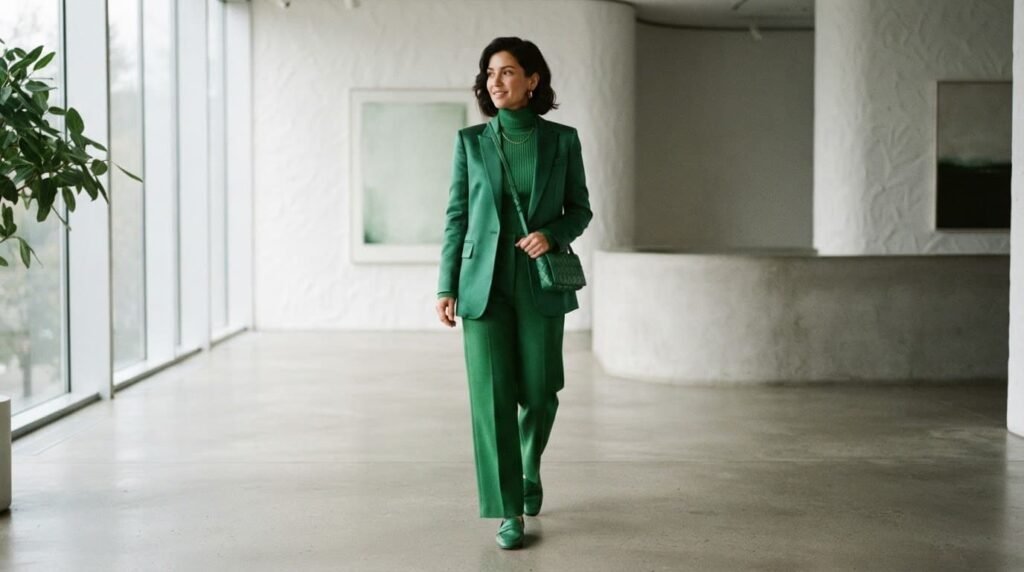
A vivid outfit can lift the mood before you have even left the house. Bright monochromatic outfits make that color feel intentional rather than random, because every piece belongs to the same color family, introducing you to the wonderful world of monochrome fashion.
You do not need a closet full of a matching set or a fearless fashion personality. A yellow shirt with ochre trousers, or a blue dress with cobalt shoes, can look polished and vibrant while still feeling like everyday clothing.
By styling vibrant colors with care, you achieve a sense of effortless chic that still feels like everyday clothing.
The trick is to work with shades, fabrics, and proportions that suit your routine.
Key Takeaways
- Embrace Shade Variation: Modern monochromatic outfits do not require exact color matches; pairing neighboring shades like tomato red with coral or butter yellow with marigold adds rich dimension.
- Focus on Familiar Shapes: Start with comfortable, everyday silhouettes you already wear in neutrals, then translate them into richer hues for effortless chic.
- Mix Textures and Proportions: Combine different fabrics like satin, denim, linen, and knitwear, and balance voluminous pieces with fitted silhouettes to keep the single-color look engaging.
- Leverage Accessories: Use matching shoes and bags to elongate your visual line, or incorporate neutral accessories to ground the vibrant colors for everyday wear.
Why One Bright Color Feels So Put Together
Wearing one color family creates a clear visual line. Your eye moves through these monochrome outfits without stopping at a contrasting waistband, shoe, or bag. As a result, even relaxed pieces can look considered and lean into the effortless feel of quiet luxury.
This approach also makes bright clothes less intimidating than relying solely on neutral tones or classic black elegance. A raspberry cardigan may feel loud beside black jeans, yet it often feels softer when paired with pink trousers in a deeper tone. The color has company, so it doesn’t carry the full outfit alone.
Monochromatic dressing doesn’t mean every item must match perfectly. In fact, exact matches can look more like a uniform than personal style, which is why modern monochrome fashion embraces shade variation. Aim for neighboring shades instead of strict color matching. Pair tomato red with coral, butter yellow with marigold, or periwinkle with saturated royal blue to build a rich color palette.
The easiest bright outfits usually use one dominant color and two nearby shades, rather than one identical shade from head to toe.
A single-color look also reduces morning decisions while still making a strong fashion statement. Start with a colored trouser, skirt, or dress, then choose a top in the same family. Once you master this kind of tonal dressing, your shoes and accessories become simple supporting choices.
How Bright Monochromatic Outfits Become Everyday Attire
The most wearable bright monochromatic outfits begin with familiar shapes. You don’t need a dramatic jumpsuit or towering heels to make color work. Choose the pieces you already reach for in neutral shades, then try them in a richer hue.
A tailored blazer over a same-color T-shirt and straight-leg jeans feels relaxed enough for lunch or an informal office. Wide-leg pants with a fine knit top work for errands, meetings, and dinner. Meanwhile, a midi dress with flat sandals needs very little styling.
Start by deciding how much structure you want. Clean lines make a saturated color feel sharper, while soft fabrics make it casual. Mastering different silhouettes and proportions helps make bold hues feel wearable. A crisp poplin shirt in sky blue has a different mood than a draped jersey top in the same shade.
These combinations are easy to adapt:
- A cobalt crewneck sweater, blue denim, and navy loafers make a strong weekend outfit without feeling fussy.
- A tangerine linen shirt with rust-colored wide-leg pants suits warm days, especially with tan sandals.
- A bright green knit polo and deeper green chinos create an easy alternative to a neutral co-ord.
- A pink midi skirt with a berry T-shirt and red ballet flats gives a dressier look without adding prints.
Monochromatic dressing relies on thoughtful fashion styling to avoid looking costume-like. If you prefer a quieter first attempt, keep the brightest piece near your face and use a softer version below the waist. Layering clothes in slightly different tones adds depth. A lemon blouse with camel-yellow trousers can feel more comfortable than head-to-toe neon yellow. On the other hand, people who enjoy a bolder look may choose one strong shade throughout and let texture add contrast, turning monochrome outfits into effortless chic statements that easily transition from business casual to casual chic weekend wear.
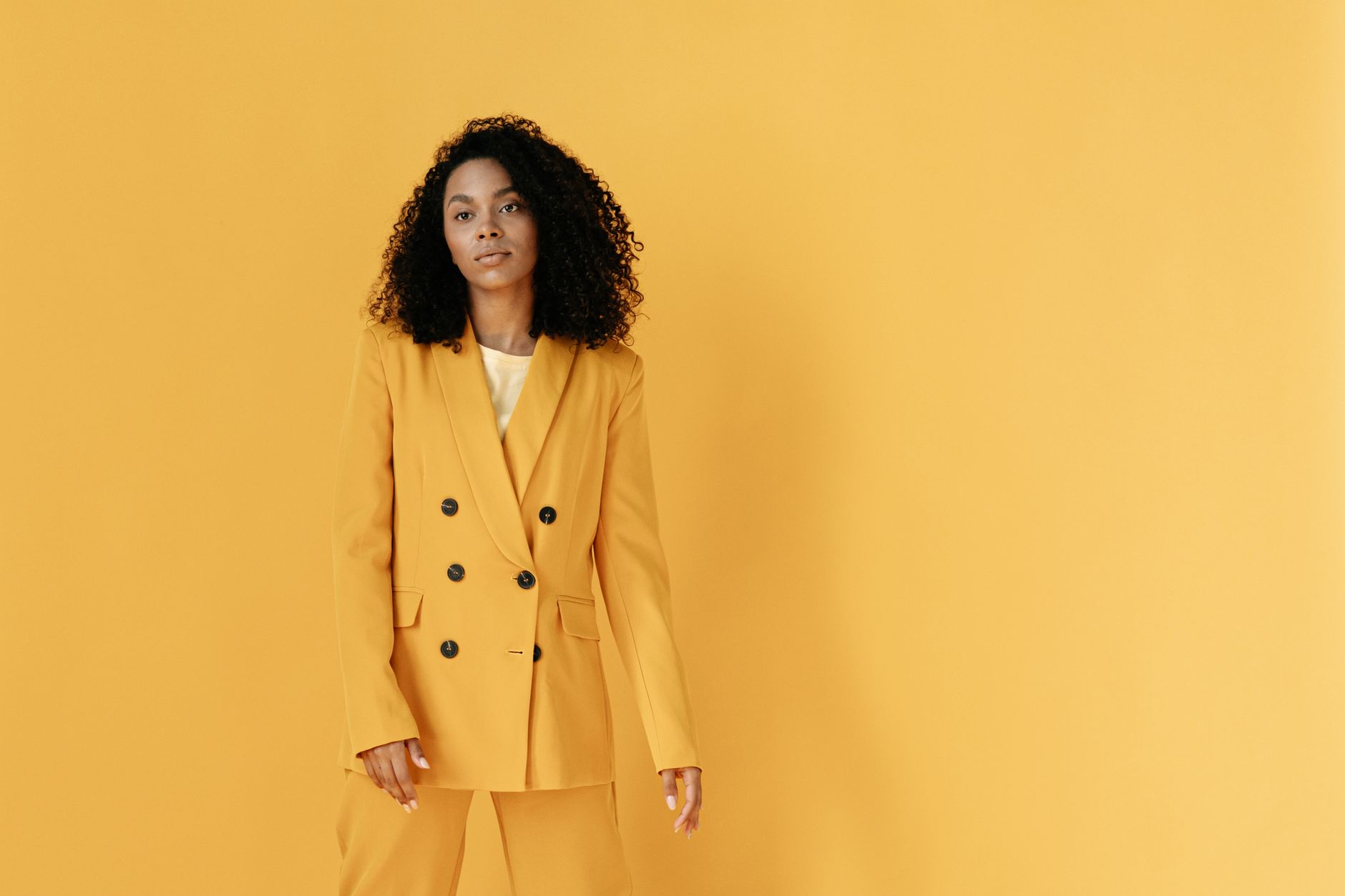
Photo by Ivan S
Pick a Color That You Will Wear Again
A bright color earns its place in your wardrobe when it works with pieces you already own. Before buying a full matching set for your monochrome fashion, look at your shoes, outerwear, and bags to make sure color matching feels effortless. If you have white sneakers, denim jackets, and a navy coat, blue, green, and pink outfits will be easy to repeat.
Some vibrant colors offer a gentle entry point. Cobalt, emerald, tomato red, and hot pink have enough depth to read as bright, yet they don’t wash out as easily as pale pastels. They also pair well with darker versions of themselves and coordinate nicely with neutral tones.
Yellow can be cheerful but needs a little more trial and error. If clear lemon feels too sharp, try marigold, buttercup, or ochre. Orange works much the same way when you build a cohesive color palette. A warm terracotta trouser in rich earthy tones can anchor a brighter coral shirt.
Hold a garment near your face in daylight when you can. The right shade doesn’t need to follow a strict color-analysis rule. It should make you feel awake, comfortable, and willing to wear it outside.
Consider the practical side, too. A washable cotton shirt in your favorite vivid color may get more use than a delicate satin blouse in pale pastels or earthy tones. Dressing with confidence often begins with knowing your outfit can handle a busy day, especially when you mix in reliable neutral tones.
Add Depth With Texture and Proportion
Color stays interesting when the fabrics don’t all behave the same way. By mixing textures like smooth satin, denim, ribbed cotton, linen, leather, and knitwear, you ensure that these monochrome outfits never look flat. Incorporating various textural elements catches light differently and keeps a single-color look engaging.
For example, wear a bright green ribbed tank with loose green linen trousers. Add a leather belt in a darker forest shade. The pieces share a color direction, but each surface brings a separate texture.
Proportion matters just as much in monochromatic dressing. If your wide-leg pants are voluminous, balance them with a fitted tank, tucked-in shirt, or cropped cardigan. With a roomy blazer, choose a slimmer skirt or straight trousers. Paying attention to silhouettes and proportions keeps your look from becoming bulky.
You can also use layering clothes to create small shade changes. A coral tank under a red overshirt adds dimension without interrupting the cohesive color palette. In cooler weather, try a violet sweater under a plum coat. Those close shades look deliberate and give your outfit more shape.
Avoid piling on too many statement details at once. A ruffled blouse, glittery skirt, oversized earrings, and bright boots can compete, even in one color family. Let one or two pieces carry the personality.
Make Color Work for Real Life
Bright outfits should fit your day, not demand special plans. For commuting, choose color in sturdy fabrics such as denim, cotton twill, ponte, or washable knits. These materials hold up better than pieces that wrinkle easily or need careful handling.
A small capsule of colorful basics makes repeating outfits easier. You might start with one bright blazer, one relaxed shirt, one pair of trousers, a knit top, and shoes in a related shade. Those five pieces can create several variations without requiring a complete wardrobe reset, leaning into a quiet luxury aesthetic that feels effortless.
When the weather turns cool, add a coat in neutral tones if you need one. Navy, chocolate brown, cream, and charcoal sit well over many saturated colors, especially when you are layering clothes for transitional seasons. Your bright outfit remains visible when the coat comes off, and the outer layer makes the look more practical.
For business casual settings, choose one structured item to anchor your look. A tailored blazer in fuchsia, a teal button-down, or bright blue trousers can keep the overall attire feeling appropriate in an office that expects polish. Then choose quieter accessories and simple footwear.
Laundry deserves attention with saturated clothing. Wash new bright pieces according to their care labels, particularly red, pink, and blue items that may release dye. Turning garments inside out and using cool water can help preserve color over time.
Use Accessories as the Final Color Link
Accessories can either continue the color story or give the eye a resting place, and statement accessories often complete the vision. Both choices work, and the key is to decide which effect you want before adding the last pieces.
Matching shoes create a long, uninterrupted line that elevates monochrome outfits. Red flats with a red skirt and rose top can make legs look longer, especially when the shades are close. A same-color bag has a similar effect and looks especially good with simple separates.
Neutral accessories bring brightness down a notch. White sneakers, brown leather sandals, gold hoops, or a raffia bag can make colorful outfits feel more casual chic. Gold jewelry warms yellow, orange, red, and green, while silver often looks crisp beside blue, purple, and cool pink in modern fashion styling.
If you want one contrast, keep it small. A cobalt outfit with orange earrings, or a pink look with a red lip, adds energy to monochrome outfits without breaking the effect. Skip several competing accent colors, because statement accessories and bright separates can lose their clear direction if you add too many competing elements.
Frequently Asked Questions
Do I need to wear the exact same shade from head to toe?
Not at all. In fact, wearing identical shades can sometimes look more like a uniform than personal style. Instead, opt for neighboring shades within the same color family to build a rich, natural-looking palette.
How can I make bright monochromatic outfits wearable for everyday life?
Start with familiar silhouettes that you already feel comfortable in, such as straight-leg jeans, simple T-shirts, or relaxed blazers. Choosing sturdy, washable fabrics ensures your colorful outfit can easily handle a busy day of errands or casual work.
What is the best way to mix textures in a single-color outfit?
By combining different fabrics like ribbed cotton, smooth satin, denim, and knitwear, you prevent a monochrome look from feeling flat. Even if pieces share the exact same color direction, each surface brings a distinct texture that catches the light differently.
Can I wear neutral accessories with a bright monochromatic outfit?
Yes, neutral accessories like white sneakers, brown leather sandals, or gold jewelry are a great way to ground vibrant colors. They offer the eye a resting place and make bold monochrome fashion feel a bit more casual and approachable.
Final Thoughts
Bright monochromatic outfits don’t require perfect matching or a new identity. They work when you choose a color you enjoy, vary the shades, and wear shapes that already feel good, turning simple monochrome fashion into an approachable choice.
Start with two pieces in one color family, then add a shoe or bag that supports the look. Colorful dressing becomes much easier when it feels like your usual style, only brighter, proving that monochromatic dressing can be both effortless and a striking fashion statement through smart tonal dressing.