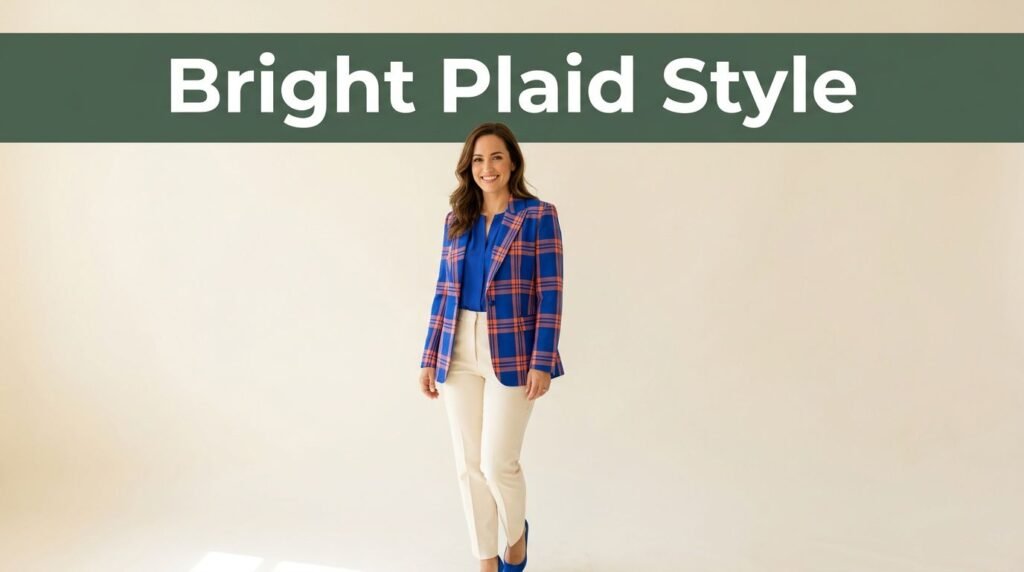
Plaid already brings movement to an outfit, so a colorful plaid print can feel expressive without looking overmatched. Yet a bright pattern doesn’t need a matching set or a cautious personality to look pulled together.
If you are looking for bright colors plaid inspiration, first understand the plaid pattern and choose one shade to guide the outfit. Repeating that shade elsewhere creates cohesion, whether the print is plaid or a tartan pattern.
A few easy pattern rules will help you wear colorful checks with comfort, personality, and ease.
This post may contain affiliate links. If you make a purchase through these links, I may earn a small commission at no extra cost to you.
Key Takeaways
- Choose one lead color from the plaid pattern and repeat it in a top, shoe, bag, or jacket for an outfit that feels connected.
- Use pattern scale intentionally: large checks create a bold focal point, while fine windowpane plaids and small checks feel quieter and easier to wear.
- Balance bright plaid with solid areas such as denim, cream, white, navy, camel, black, or soft gray so the outfit has room to breathe.
- Let accessories echo a single stripe instead of competing with the print, and choose shoes that suit the occasion and desired level of polish.
- When buying plaid clothing or fabric, check the scale, weight, opacity, and colors in natural light, and order a swatch before starting a larger sewing project.
Start With the Plaid Pattern, Not Every Color
Pattern scale affects how a bright plaid pattern feels on the body. A large buffalo check looks casual and graphic, while a fine windowpane plaid feels sharper and more tailored. Before buying a colorful piece, assess its block size and line thickness.
In everyday fashion language, plaid describes intersecting horizontal and vertical stripes in multiple colors. A checkered pattern usually forms a more regular grid, often with two colors. A tartan pattern uses a repeating stripe sequence in both directions, called a sett. Tartan fabric has long existed in Scotland, while many associations with Scottish clans became popular in the 19th century.
These familiar patterns create different effects in bright outfits:
| Pattern | What it looks like | Easy ways to wear it |
|---|---|---|
| Madras plaid | Lightweight multicolor checks, often in cotton | Summer shirts, shorts, sundresses, and relaxed skirts |
| Gingham pattern | Even squares in white and one other color | Blouses, picnic dresses, hair bands, and casual trousers |
| Buffalo check | Large two-color blocks with strong contrast | Overshirts, jackets, scarves, and relaxed pants |
| Windowpane plaids | Fine lines forming large open squares | Blazers, wide-leg pants, and tailored dresses |
Because buffalo check is bold and casual, it works well as the focal point of an easy outfit.
Madras plaid originated in Chennai, India, formerly called Madras. Its lightweight cotton and breathable weave make it useful for summer clothing. A rainbow plaid with the same airy feel can look playful without looking childish.
Houndstooth is technically a broken check rather than a plaid, but it often appears alongside plaid patterns in fashion collections. A colorful houndstooth coat has the same graphic energy as a bright check, although its jagged shape feels a little more dramatic.
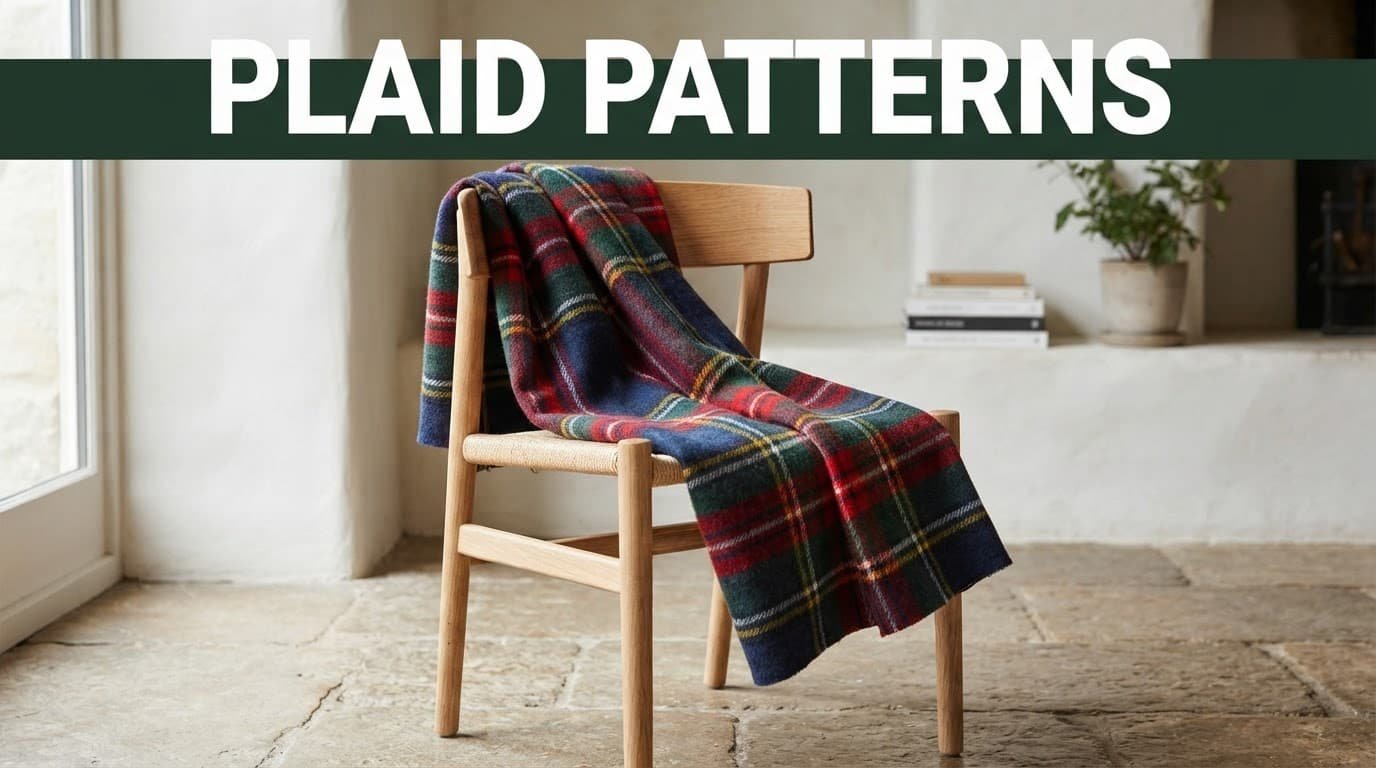
Color changes a plaid’s mood more than its structure. Hot pink, lime, cobalt, and orange can make traditional tartan fabric feel modern. Meanwhile, a quiet navy or brown thread inside the print can give you the easiest starting point for the rest of your outfit.
How to Wear Bright Colors Plaid Prints With Intention
Give every outfit one lead color. Let the plaid pattern supply it whenever possible. This simple choice keeps each shade from competing for attention. Pull that hue into a top, shoe, bag, or jacket.
The easiest neutral in a multihued plaid may be the smallest thread in the print. A thin navy, cream, or charcoal line can ground an outfit better than the color you notice first.
A bright plaid skirt with a cherry-red stripe pairs naturally with a red knit or ballet flat. A teal line in rainbow trousers can connect to a teal T-shirt. You don’t need an exact color match either. Cobalt and royal blue, for example, look related enough to make the outfit feel settled.
Try one of these outfit formulas when you want a clear place to start:
- Pair rainbow plaid trousers with a solid crewneck sweater that repeats one color from the pattern.
- Choose windowpane plaids for a bright blazer over a white T-shirt, straight-leg jeans, and simple loafers.
- Style a bright buffalo check overshirt with jeans and low-key sneakers.
- Let a saturated plaid shirt stand out with cream shorts or pale denim and simple sneakers.
A plaid outfit with several tones can still feel balanced. The trick is giving the eye a resting place through solid areas of fabric. Denim, white cotton, navy, camel, black, and soft gray work well, but they aren’t your only options.
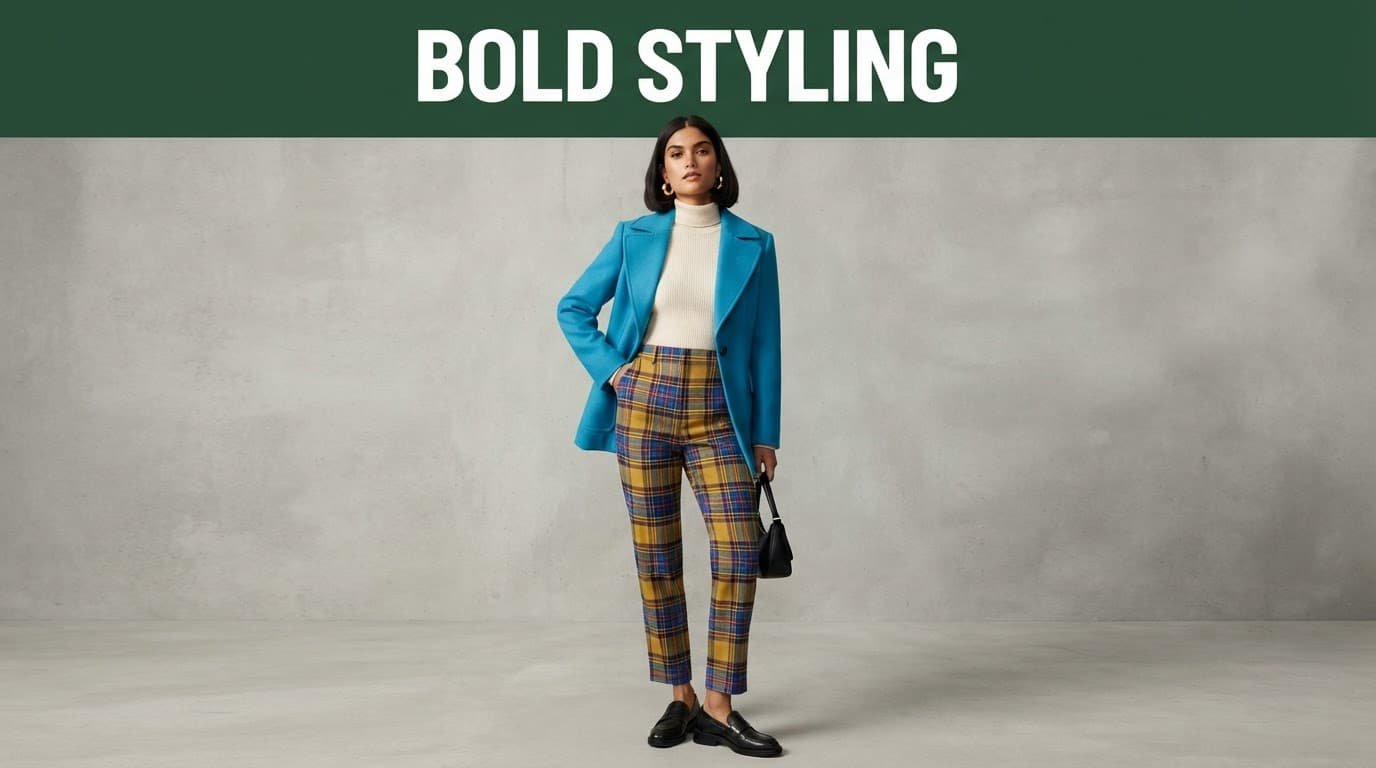
If you want more color, pair the plaid with a solid shade that appears in it. A bright yellow cardigan beside a plaid with matching yellow threads looks lively because the colors already belong together.
Balance Pattern Scale With Your Outfit Shape
A plaid pattern’s scale affects its visual weight, so place large checks where you want focus to land. Try them in a vibrant plaid midi skirt, cropped jacket, or pair of wide-leg trousers. Keep the remaining pieces clean-lined so the silhouette stays easy to read.
A small checkered pattern can cover more of the body without feeling heavy because its colors blend at a distance. Houndstooth can also create a strong focal point, though it isn’t technically plaid. A fine multicolor plaid dress feels easier than a large check, while fine windowpane plaids read quietly on blouses and tailored pants.
If bright clothes feel unfamiliar, begin with plaid on the lower half. Colorful pants or a skirt let you keep a familiar top close to your face. On another day, reverse that choice with a vivid checked shirt and your favorite jeans.
The occasion matters, too. Windowpane plaids in jewel tones work well for creative offices when paired with simple shoes and a plain top. A bold buffalo check overshirt feels right for errands, travel, and casual weekends. For dinners or parties, a slip skirt in a jewel-toned tartan pattern pairs with a fitted knit for a festive, informal look.
Comfort supports dressing with confidence. Choose fabrics that move well, waistbands you can sit in, and shoes that don’t distract you from the outfit. You will wear a color more often when the garment feels good for a full day.
Let Accessories Echo Rather Than Compete
Accessories can repeat one bright thread from the plaid pattern without making the outfit feel like a costume. A green bag that picks up a thin green stripe feels connected. The same goes for a red hair band, cobalt earrings, or orange nails.
Limit extra patterns when the plaid itself has several colors. A striped shoe or printed bag works best when it shares a color and uses a different scale. Pair large buffalo check with a solid bag, or choose small houndstooth accessories for contrast. Tiny polka dots with large plaid pants are also easy to combine.
The same principle works in home decor. A colorful plaid cushion or tablecloth looks more polished beside solid painted walls, plain upholstery, or one accent color pulled from the fabric. Pattern needs space around it, whether it is on a sofa or in your closet.
Shoes often decide how formal the outfit feels. Clean white sneakers keep the look relaxed. Leather loafers sharpen it, while a colorful heel can turn the same skirt into evening clothing. Let your plans guide the finishing pieces.
Buy Colorful Plaid Clothing or Fabric With a Plan
When shopping for ready-to-wear bright plaid, check the garment under natural light if possible. Inspect colorful plaid garments or fabric in that light, since online photos can hide a muddy base color or make a print look larger than it is. Look for a clear photo of the fabric close up, then picture it beside tops you already own.
For sewing projects, yarn dyed check is worth seeking out because its colored threads are woven into the fabric. The design appears on both sides, as with tartan fabric, giving the reverse a more finished look. Printed rainbow plaid puts the design on the surface, but it can still look great with a different finish.
Blackbird Fabrics and Merchant & Mills are useful for current garment fabrics. Fableism and Matchy Matchy Sewing Club offer colorful woven options and approachable project ideas. Fableism is especially known for yarn-dyed woven collections, while Matchy Matchy Sewing Club suits smaller, beginner-friendly projects. Spoonflower offers a large range of printed fabric designs, including rainbow plaid and custom-scale plaids.
Order a swatch before committing to several yards of cotton fabric or linen fabric. Compare a Fableism swatch before ordering, checking its weight, opacity, texture, and how the colors look beside your skin. For summer clothing, choose a lighter fabric for a shirt. For pants or a structured skirt, look for a weight that holds its shape.
A bright fabric design can become a favorite garment, but start with a pattern you know you will wear. A simple camp shirt, elastic-waist skirt, or relaxed pair of shorts often gives colorful cloth more everyday mileage than a complicated project.
Frequently Asked Questions
How do you wear bright colors with plaid prints?
Choose one shade from the plaid and repeat it in a solid garment or accessory. Keep the remaining pieces simple so the colorful pattern stays the focal point.
What colors go well with bright plaid?
Cream, white, denim, navy, camel, black, and soft gray can all give a multicolored plaid a resting place. You can also choose a solid bright shade that already appears as a thread in the pattern.
Is large or small plaid easier to wear?
Small checks and fine windowpane plaids usually feel quieter because their colors blend more at a distance. Large buffalo checks and bold plaids make a stronger statement, so pair them with clean-lined, solid pieces.
Can you mix plaid with other patterns?
Yes, but keep the second pattern simple and make sure it shares a color with the plaid. A different scale, such as tiny polka dots with large checks, is often easier to balance than two bold patterns.
What should you check when buying colorful plaid fabric?
Look at the fabric in natural light and check its weight, opacity, texture, and color beside garments you already own. Ordering a swatch is especially useful before buying several yards or starting a sewing project.
Make Color the Part You Remember
Bright plaid works when one color leads and the rest have room to breathe. Pattern scale, fabric comfort, and simple supporting pieces do more for an outfit than strict matching ever could.
Start with a plaid pattern that makes you smile, then repeat one shade somewhere else. Colorful clothing becomes easier to wear when it reflects your personal style, not a rule you have to follow.